USDA FoodData Central figures
Vegan and Vegetarian Protein Sources: The Complete Guide (2026)
The most common question vegans and vegetarians face is "but where do you get your protein?" Here is the complete answer -- with actual data.
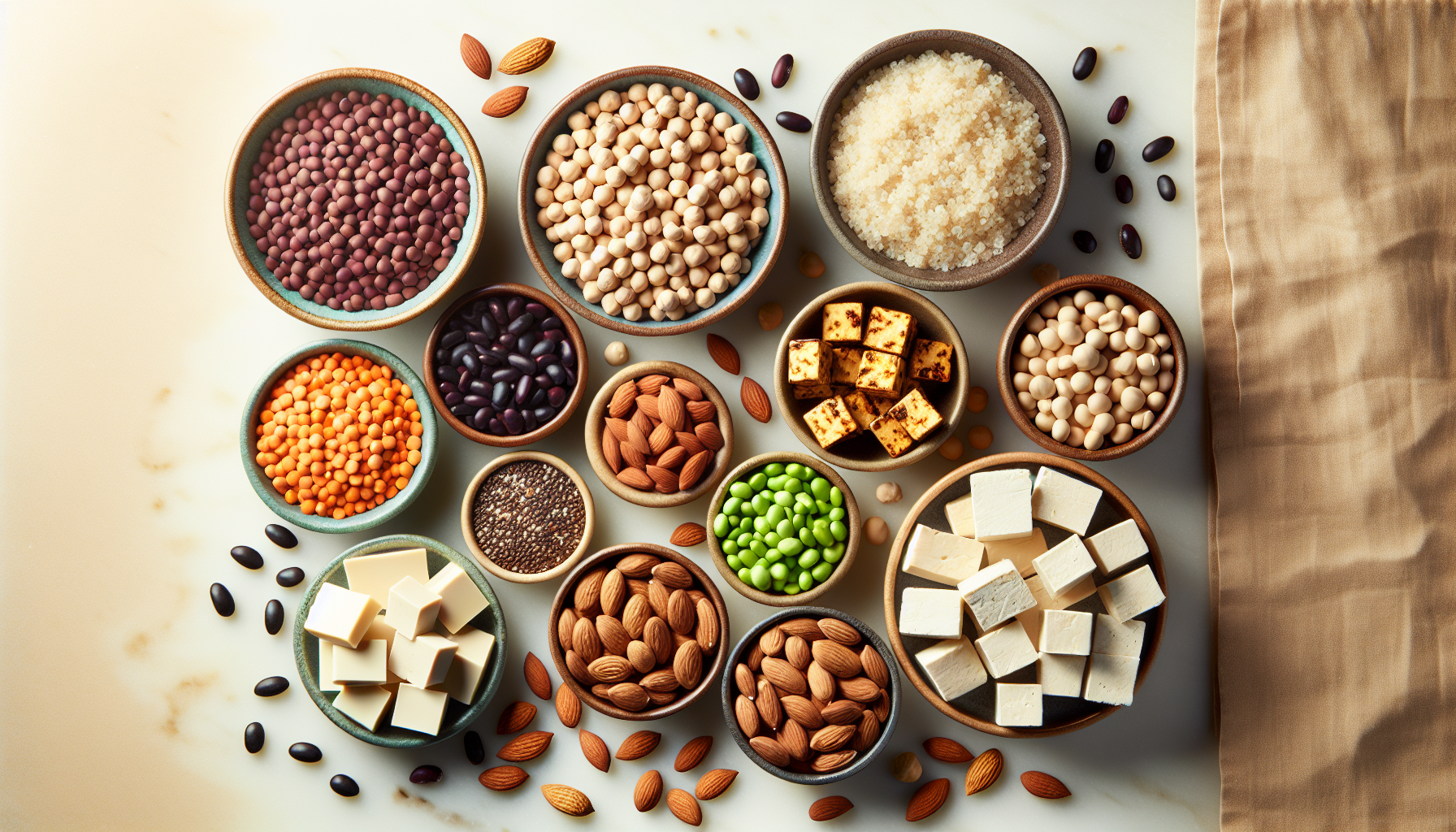
Your daily protein requirement: The RDA is 0.8g per kg of body weight. A 70kg (154 lb) person needs 56g/day. Athletes: 1.2-2.0g/kg/day. Growing teenagers: 1.0-1.3g/kg/day. Pregnant women: 1.1g/kg/day plus 25g extra.
Complete Plant Protein Sources (All Essential Amino Acids)
| Food | Serving | Protein (g) | Complete? | Notes |
|---|---|---|---|---|
| Firm tofu | 1/2 block (175g) | 20g | YES | Versatile, scrambles, stir-fries, marinades |
| Tempeh | 100g | 19g | YES | Fermented soy, nutty flavour, great for slicing |
| Edamame (cooked) | 1 cup (155g) | 17g | YES | Best fresh frozen, easy snack or salad protein |
| Soy milk (fortified) | 1 cup (240ml) | 7g | YES | Only plant milk with comparable protein to dairy |
| Quinoa (cooked) | 1 cup (185g) | 8g | YES | Excellent grain base, faster cooking than rice |
| Hemp seeds | 3 tbsp (30g) | 10g | YES | Add to smoothies, porridge, salads |
| Buckwheat (cooked) | 1 cup (168g) | 6g | YES | Makes great porridge or soba noodles |
| Nutritional yeast | 2 tbsp (15g) | 8g | YES | Cheesy flavour, add to pasta sauces or popcorn |
High-Protein Legumes and Pulses
| Food (cooked) | Serving | Protein (g) | Calories | Cost per serving |
|---|---|---|---|---|
| Red lentils | 1 cup (198g) | 18g | 230 kcal | ~$0.15 |
| Green/brown lentils | 1 cup (198g) | 18g | 230 kcal | ~$0.17 |
| Black beans | 1 cup (172g) | 15g | 227 kcal | ~$0.35 |
| Chickpeas | 1 cup (164g) | 15g | 269 kcal | ~$0.30 |
| Kidney beans | 1 cup (177g) | 15g | 225 kcal | ~$0.35 |
| Pinto beans | 1 cup (171g) | 15g | 245 kcal | ~$0.30 |
| White beans | 1 cup (179g) | 17g | 249 kcal | ~$0.35 |
| Split peas | 1 cup (196g) | 16g | 231 kcal | ~$0.15 |
| Seitan (wheat gluten) | 100g | 25g | 372 kcal | ~$0.60 |
Sample Days: Hitting Your Protein Targets
Protein Supplements: When They Help
Most people eating a varied whole-food plant-based diet do not need protein supplements. Where they genuinely help:
- High-performance athletes needing 150g+ protein per day may find whole foods impractical in volume. Pea or soy protein powder (25-30g protein per scoop) is a practical tool.
- New vegans who have not yet learned to cook protein-dense plant meals. A protein shake while you get up to speed is fine.
- Older adults who have reduced appetite but increased protein needs for muscle preservation (1.0-1.2g/kg/day).
Best options: pea protein (good amino profile, well-tolerated), soy protein (complete amino acid profile), brown rice + pea blend (combined completeness). Creatine monohydrate (3-5g/day) is separately recommended for vegan athletes as plant foods contain little creatine.
Protein Questions Answered
Do vegans get enough protein?
Yes, with variety. The average adult needs 0.8g of protein per kg of body weight per day. A 70kg person needs 56g protein daily. This is achievable on a vegan diet: one cup of cooked lentils provides 18g, half a block of firm tofu provides 20g, and a serving of edamame provides 17g. Athletes need more (1.2-2.0g/kg) and should track intake, but even high protein targets are achievable with tofu, tempeh, seitan, and legumes.
Do I need to combine proteins at every meal?
No. The protein combining theory, which suggested that you need to eat complementary proteins at every meal, was largely abandoned by nutrition scientists in the 1990s. Your body maintains a pool of amino acids that it draws from throughout the day. As long as you eat a variety of plant proteins over the course of a day (legumes, grains, soy, nuts, seeds), you will meet all your essential amino acid needs without deliberate pairing.
What are the best complete plant proteins?
Complete proteins contain all nine essential amino acids. Complete plant proteins include: soy products (tofu, tempeh, edamame, soy milk), quinoa, hemp seeds, buckwheat, amaranth, and nutritional yeast. These are the cornerstone proteins of a vegan diet. Combine with other plant proteins throughout the day and you will have no difficulty meeting amino acid needs.
How do vegan athletes get enough protein?
Vegan athletes targeting 1.6-2.0g protein per kg body weight need to be deliberate but it is very achievable. Tofu, tempeh, seitan, and edamame provide dense plant protein. Pea protein or soy protein powder can bridge gaps. Key meal components: high-protein breakfast (tofu scramble or smoothie with protein powder), legume-based lunch, tempeh or seitan for dinner, plus edamame or nuts as snacks. A 80kg athlete targeting 160g protein can hit this with careful meal planning.